M.S. - Communication Disorders
University of Texas at Dallas - 1995

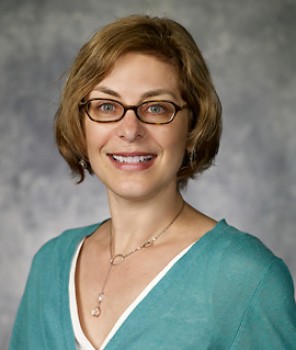
Helen Kenedi
Professor of Practice
Research Interests: Adult neurogenic disorders and dysphagia
Professional Preparation
B.A. - Psychology
McGill University - 1984
McGill University - 1984
Additional Information
11 years experience as a speech- language pathologist
Clinical Service Delivery
Employed at Baylor Healthcare System from August, 1994 until July, 2001. Provided speech pathology services in acute care, acute rehabilitation, long term acute care, out-patient and home care settings. Primary patient population was adult neurogenic with the majority of diagnoses being CVAs, TBls and medically complex patientClinical Supervision
- January, 1996 to July 2001: Provided clinical supervision to Master's level students on site in all of the above settings at Baylor Healthcare System since obtaining CCC's in January, 1996.
- October, 1998 to May, 2000: Clinical Supervisor of the Rehabilitation Department at Baylor Specialty Hospital. This included responsibility for daily operations and program development. Staff supervision included speech-
- language pathologist, physical therapists, occupational therapists, recreational specialists.
- August 1, 2001 to present: Supervising students at the Communication Learning Center clinic for The University of Texas at Dallas. This clinic provides individual and group therapy to adults with neurogenic disorders.
- September 13, 2001 to present: Supervising students at the Dysphagia Clinic at Baylor Institute for Rehabilitation. This provides students with a practicum experience which focuses on dysphagia including opportunities to administer dysphagiagrams
News Articles
Researcher Hopes to Help People With Dysphagia
 Researchers from the UT Dallas Callier Center for Communication Disorders and Baylor Institute for Rehabilitation (BIR) are working together to investigate the effects of drinking water on patients with dysphagia, a disorder that affects a person’s ability to swallow. Their study will document the benefits and problems of the “free water protocol,” which lets patients have water and ice instead of restricting them to liquids that have been artificially thickened. “Currently, some medical practitioners discourage patients with dysphagia from drinking water due to concerns that aspiration of the water into the lungs may result in pneumonia,” said Helen Kenedi, MS, principal investigator of the study and clinical lecturer in the School of Behavioral and Brain Sciences. “Patients who are denied access to water often report that they are thirsty, are dehydrated and have a decreased quality of life.”